
There is no legal shortcut in credit that works as fast as this one, which is why the authorized user credit score question keeps trending every time scores tighten and approvals get harder.
The mechanics are almost anticlimactic. Someone with a well-managed credit card calls their issuer, adds your name to the account, and in most cases the entire history of that account — every on-time payment, the credit limit, the age of the account — begins appearing on your credit report. You never have to touch the card.
Used carefully, it is the single fastest way to fix a thin file. Used carelessly, it imports someone else's mistakes onto your report at the same speed.
Why This Matters Right Now
Lenders have spent the last two years tightening approval criteria while more consumers arrive at the counter with short credit histories: recent graduates, newcomers to the country, people who spent a decade paying cash after a rough financial stretch.
Scoring models punish short histories automatically. Age of credit history is roughly 15% of a FICO score, and unlike payment history it cannot be improved by good behaviour this month. You either have years on file or you do not.
Authorized user status is the only widely available mechanism that adds age retroactively. That is why it keeps showing up in search trends alongside credit-builder loans and rent reporting — the other two tools people reach for when a file is too thin to score.
Background: What an Authorized User Actually Is
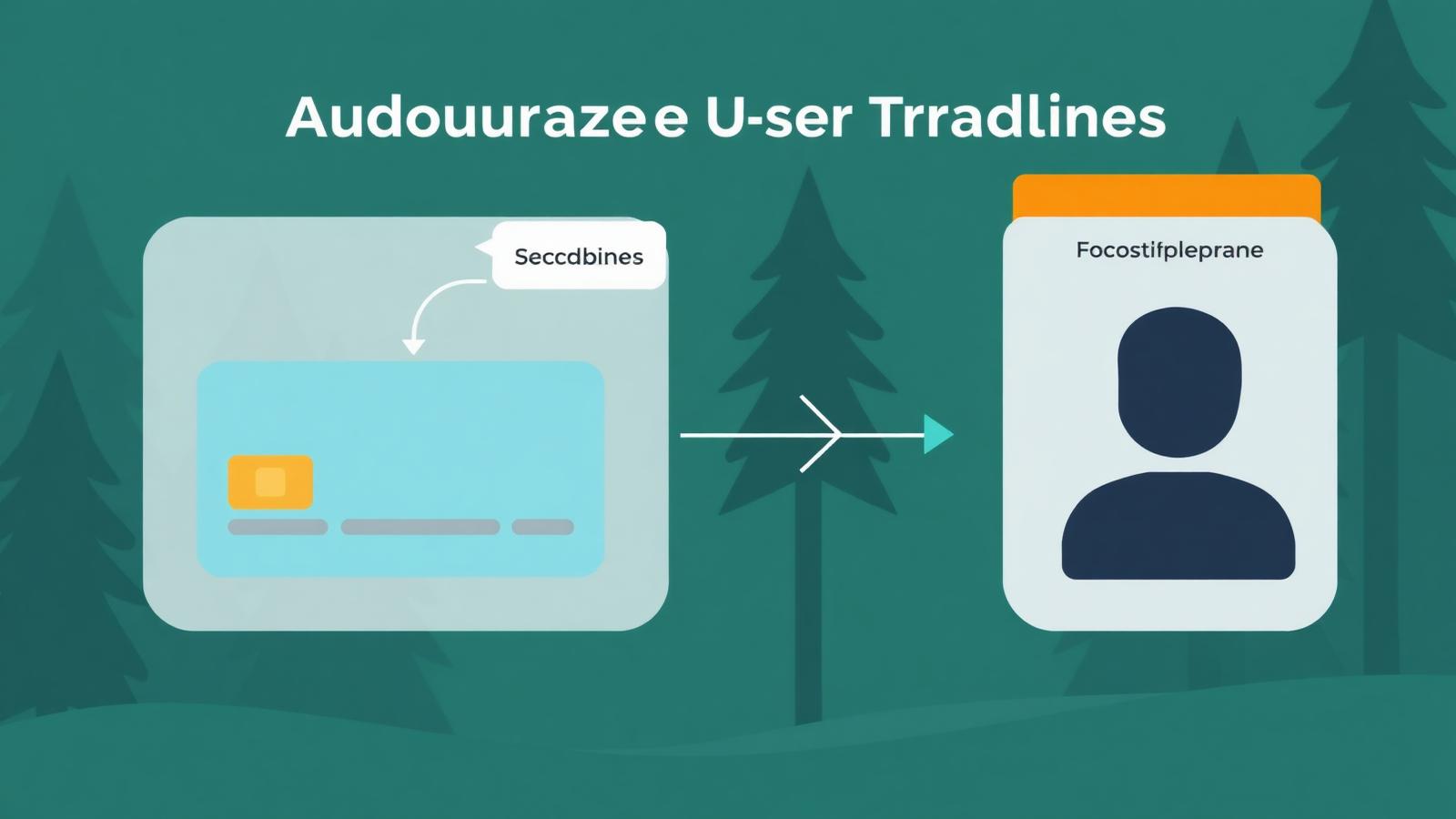
An authorized user is a person permitted to use a credit card account they do not own. The issuer typically mails a card in their name. Crucially:
- The primary cardholder remains solely liable for the debt.
- The authorized user can spend but cannot legally be pursued for the balance.
- The credit bureaus are usually told about the relationship, which is why the account appears on both reports.
This is different from a joint account, where both parties own and owe. It is also different from being a co-signer, where you are liable but usually cannot spend.
What Transfers to Your Report
When the issuer reports the tradeline, your file generally picks up:
- The account open date, which lengthens your average age of accounts
- The full payment history, month by month
- The credit limit and current balance, which feed your utilization ratio
- The account type, which improves credit mix on a file that has none
What Does Not Transfer
- Legal responsibility for the balance
- Any hard inquiry — being added never triggers one
- Rights to change the account, request limit increases, or close it
The Latest Developments: How Scoring Models Treat It in 2026
Scoring models have quietly evolved on this point. Older FICO versions counted authorized user tradelines almost identically to primary accounts. That created an industry of paid "piggybacking," and the models adapted.
Current models still count authorized user accounts, but with guardrails:
- Relationship signals matter. Shared surnames or addresses look organic; a file with five unrelated tradelines added in one month does not.
- Volume triggers suppression. A cluster of added tradelines can cause the model to discount them.
- Newer models weigh trended data. FICO 10T and VantageScore 4.0 look at balance behaviour over 24 months, so a card you were just added to contributes less than it would have under a legacy model. Our guide to the new mortgage scoring rules covers that shift in detail.
The practical takeaway: one genuine family tradeline works. A shopping spree of rented tradelines does not, and can actively hurt you.
Key Facts and Numbers
- Age of credit history is about 15% of a FICO score; amounts owed is about 30%.
- A thin file with fewer than three accounts is materially harder to score at all; roughly one in ten adults is unscoreable under classic models.
- Typical observed gains on a thin file range from 20 to 60 points within two billing cycles.
- Adding an authorized user costs nothing at most major issuers, though a few premium cards charge an annual fee per user.
How to Do It Properly: A Six-Step Checklist
1. Pick the right account, not the nearest one
The account you join should have:
- A perfect payment record, ideally several years long
- Utilization under 20% every month, not just occasionally
- A long open date — five years or more is where the benefit becomes obvious
- An issuer that reports authorized users to all three bureaus
If any one of those is missing, the benefit shrinks. If the payment record is imperfect, the arrangement is actively harmful: late payments on that account can land on your report too.
2. Confirm the issuer's reporting policy
This is the step almost everyone skips. Reporting practices vary by issuer and sometimes by card product. Call the number on the back of the card and ask two specific questions:
- Do you report authorized users to all three bureaus?
- Do you report the full account history, or only from the date the user is added?
The second answer determines whether you inherit ten years of history or one month of it.
3. Decide whether you actually take the card
You do not need the physical card for the credit benefit. For many families, the cleanest arrangement is authorized user status with the card never activated. The history reports; the spending risk stays at zero.
4. Agree on the ground rules in writing
Even a text message counts. Cover who can spend, how much, and what happens if either party wants to end the arrangement. The primary holder carries all the legal risk, and unspoken assumptions are how relationships get damaged.
5. Wait two billing cycles, then verify
Pull your reports from all three bureaus at AnnualCreditReport.com, the only federally authorized source, and confirm the tradeline appears on each. If it is missing from one bureau, the issuer likely does not furnish there.
6. Build your own primary history in parallel
Authorized user status is a bridge, not a destination. Pair it with an account in your own name — a secured card is the standard move — so that when the arrangement ends, your file stands on its own.

The Real-World Impact
For a 23-year-old with no credit file, adding a parent's 15-year-old card with a $12,000 limit and a $400 balance does three things at once: it creates a scoreable file, it establishes 15 years of history, and it sets utilization near 3%. That combination routinely produces a first score in the high 600s or low 700s — a number that would otherwise take three years of careful primary-account behaviour to reach.
For someone rebuilding after collections or a charge-off, the effect is more modest but still real. The derogatory marks stay; what changes is the positive weight on the other side of the scale. If you are working through negative items, read our guides on removing collections and charge-offs alongside this one.
For the primary cardholder the impact is different: a small increase in risk, and no score change at all unless the authorized user is given a card and uses it.
The Traps
The paid tradeline market. Companies sell temporary authorized user slots on strangers' accounts, typically $300 to $1,500 per tradeline. The Consumer Financial Protection Bureau has repeatedly warned about the practice, and lenders can treat it as misrepresentation on a loan application. Avoid it.
The account that goes bad later. You inherit the account's future as well as its past. If the primary holder maxes the card or misses payments, your report reflects it. Monitor the account monthly.
Utilization surprises. A card with a $2,000 limit that habitually carries $1,600 will push your utilization ratio to 80% the moment it lands on your file. That can cost you more points than the added history gains. Our credit utilization guide explains the maths.
Removal is not always instant. When the arrangement ends, the tradeline usually disappears from your report at the next update — along with the history it brought. Do not build a mortgage application timeline around a tradeline that can vanish.

Expert Perspective
Credit counsellors generally frame authorized user status as a scaffolding tool: valuable while you build something permanent behind it, dangerous if it becomes the whole structure. The Consumer Financial Protection Bureau's guidance on building credit makes a similar point — the durable gains come from your own accounts, reported consistently, over time.
Underwriters, for their part, increasingly look past the score to the file itself. A manual reviewer who sees a 720 built entirely on someone else's tradeline will price the loan on what you own, not what you borrowed.
Key Takeaways
- Authorized user status imports account age and payment history you cannot otherwise buy with time.
- Only join accounts with a perfect record, low utilization, and a long open date.
- Confirm the issuer reports authorized users to all three bureaus before relying on it.
- Expect 30 to 60 days for the tradeline to appear, then verify on all three reports.
- Never rent a tradeline from a stranger; build a primary account in parallel instead.
Conclusion and Outlook
Scoring models will keep tightening around synthetic history, but the family version of this arrangement is not going anywhere — it reflects a genuine economic relationship, and the bureaus know it.
If you have someone in your life with a long, clean card and enough trust to make the call, this is the highest-leverage 10 minutes available to you in credit rebuilding. Make the call, verify the reporting, and spend the next six months building an account of your own alongside it.
Ready to build the rest of the file? The Honest Credit Rebuild Blueprint walks through the full 12-month sequence — authorized user, secured card, utilization control, dispute strategy — and it is currently 40% off.