If you've ever been denied for an apartment, a car loan, or even a phone plan with the words "insufficient credit history," you've met the Catch-22 of American credit: you need credit to get credit.
The good news is that starting from zero is genuinely easier than rebuilding from damage. You have no late payments to outrun and no collections to bury — just a blank file waiting for data. In 2026 there are more legitimate tools for this than ever before. This is the realistic 12-month plan.

First, Understand What You're Building
A FICO score needs two things to exist: at least one account that has been open for six months, and at least one account reported to the bureaus in the last six months. One account can satisfy both.
The score itself weighs five factors:
- Payment history — 35%. Every on-time payment is a brick.
- Amounts owed (utilization) — 30%. How much of your available credit you use.
- Length of history — 15%. Why you start now, not later.
- Credit mix — 10%. Revolving (cards) plus installment (loans).
- New credit — 10%. Why you open accounts slowly, not all at once.
With a thin file, each factor swings harder because there is so little data to average out. One 30-day late payment on a file with three accounts is devastating; one utilization spike on a single card can drop your score 50 points. Discipline matters more in year one than at any other time.
Months 1–2: Open Your First Two Accounts
Account one: a secured credit card. You deposit $200–$500 with the issuer, and that deposit becomes your credit limit. Use it for one small recurring purchase — a streaming subscription is perfect — and set autopay for the full balance. Choose a card with no annual fee that reports to all three bureaus; our roundup of the best secured credit cards to rebuild credit in 2026 compares the strongest options.
Account two: a credit-builder loan. This is a backwards loan: the lender holds $500–$1,000 in a locked savings account, you make monthly payments for 12–24 months, and you get the money at the end. Every payment reports to the bureaus. It adds the installment half of your credit mix from day one — see our credit-builder loans guide for how to pick one without junk fees.

These two together give you one revolving and one installment account reporting monthly — the fastest legitimate foundation available.
Months 1–3: Add the History You Already Have
You're probably already making payments that never reach your credit file. Fix that:
- Rent reporting. Services can report your monthly rent to one or more bureaus — some can even back-report up to 24 months of past payments. We cover the best options and costs in rent reporting in 2026.
- Authorized user status. If a parent or partner has an old, low-utilization, never-late card, being added as an authorized user imports that account's history into your file. Read the ground rules in our authorized user guide — the right card accelerates you, the wrong one hurts you.
Months 3–12: The Boring Part That Works
This is where scores are actually built, and it's unglamorous:
- Autopay everything, in full, on time. Payment history is 35% of the score. One missed payment in year one can undo six months of work.
- Keep reported utilization under 10%. With a $300 secured limit, that means letting no more than about $30 report. The "30% rule" you read everywhere is a ceiling, not a target — our credit utilization guide explains the statement-date trick that controls what gets reported.
- Don't apply for anything else yet. Every application creates a hard inquiry (see what hard inquiries really cost you), and new accounts drag down your average age.
- Track your file. Pull your reports free at AnnualCreditReport.com and confirm all your accounts are reporting correctly. Errors on a thin file are disproportionately costly.
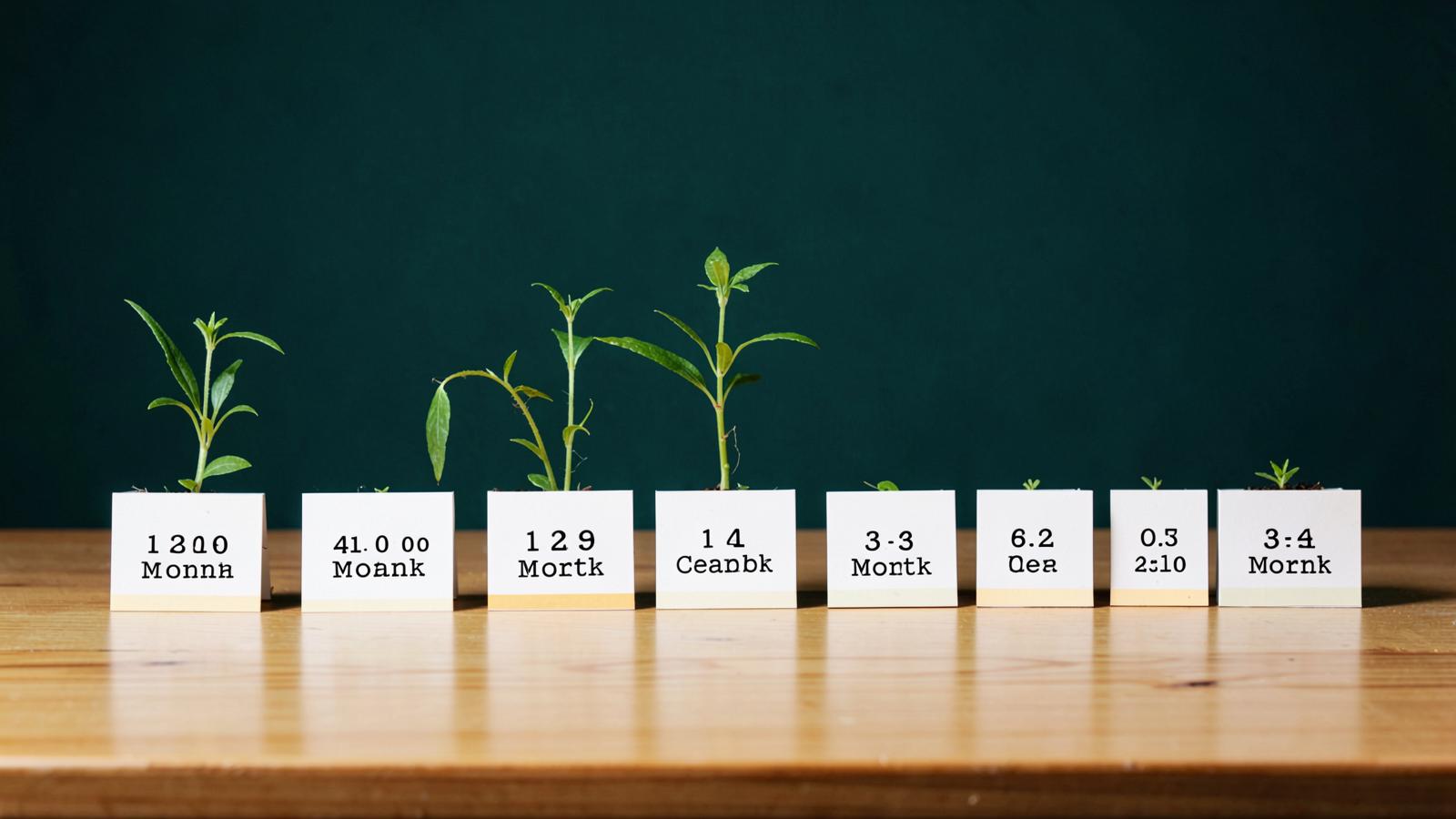
What a Realistic Timeline Looks Like
Based on how the scoring models work:
- Month 6: first FICO score appears, often in the 620–680 range with perfect payments.
- Month 9–12: scores in the 670–730 range are common if utilization stayed low.
- Month 12+: many secured cards graduate to unsecured and return your deposit; you can consider a second card to lower overall utilization.
- Month 18–24: with a clean file, 740+ is realistic — the range that qualifies for most mainstream rates.
Anyone promising a 700 score in 30 days is selling something. The bureaus and the CFPB are clear: time is an irreplaceable ingredient.

The Mistakes That Stall a New File
- Closing your first card. Its age is your history. Keep it open with a small recurring charge forever.
- Carrying a balance "to build credit." A myth. Paying interest builds nothing — reported on-time payments do.
- Maxing the secured card. Even if you pay in full, a maxed-out statement balance reports 100% utilization.
- Applying for store cards at checkout. Multiple inquiries in month two of your credit life look desperate to the algorithm.
Want the month-by-month checklist? The Honest Credit Rebuild Blueprint lays out the exact 12-month starter sequence with account-picking criteria — currently 40% off.
Conclusion and Outlook
Credit invisibility feels like a locked door, but it's really just an empty room. Two starter accounts, reported rent, flawless autopay, and twelve months of patience will put a score on the board — and the habits you build this year are the same ones that keep a score high for life. Start the clock this week.