
Few things cause more unnecessary hesitation than the phrase "this will result in a hard inquiry." Borrowers delay refinancing, skip comparison shopping and accept worse rates because they overestimate what hard inquiries credit score damage actually looks like.
Here is the honest accounting: an inquiry is real, measurable, and small. What costs people money is not the inquiry — it is the behaviour they adopt to avoid it.
Why This Matters Right Now
Rates have moved enough over the past two years that comparison shopping has real value again. The spread between the best and worst offer on the same auto loan can be several percentage points, which on a five-year term is thousands of dollars.
At the same time, more consumers are watching their scores daily through free monitoring apps. A five-point dip that would once have gone unnoticed now shows up as a red arrow on a phone screen the next morning, and it feels far more significant than it is.

Background: Hard vs. Soft Inquiries
An inquiry is simply a record that someone looked at your credit file.
Soft inquiries happen when you check your own report, when a lender pre-screens you for an offer, or when an existing creditor reviews your account. They are visible only to you and are never factored into a score. Checking your credit as often as you like costs nothing.
Hard inquiries happen when you actively apply for credit and a lender pulls your file to make a decision. These are visible to other lenders and are scored — modestly.
What an Inquiry Signals
Scoring models treat inquiries as a weak risk signal. Statistically, people who apply for a lot of new credit in a short period default at slightly higher rates. That is the entire logic. Inquiries make up roughly 10% of a FICO score, shared with other "new credit" factors.
The Numbers
- A single hard inquiry: typically fewer than 5 points on an established file.
- Inquiries remain visible for 24 months, but are scored for 12.
- Six or more inquiries in a short period correlates with materially higher risk in the models — this is where real damage begins.
- Thin files feel inquiries more sharply, because there is less positive data to offset them. If your file is thin, our guide to authorized user status is a better place to start than avoiding applications.
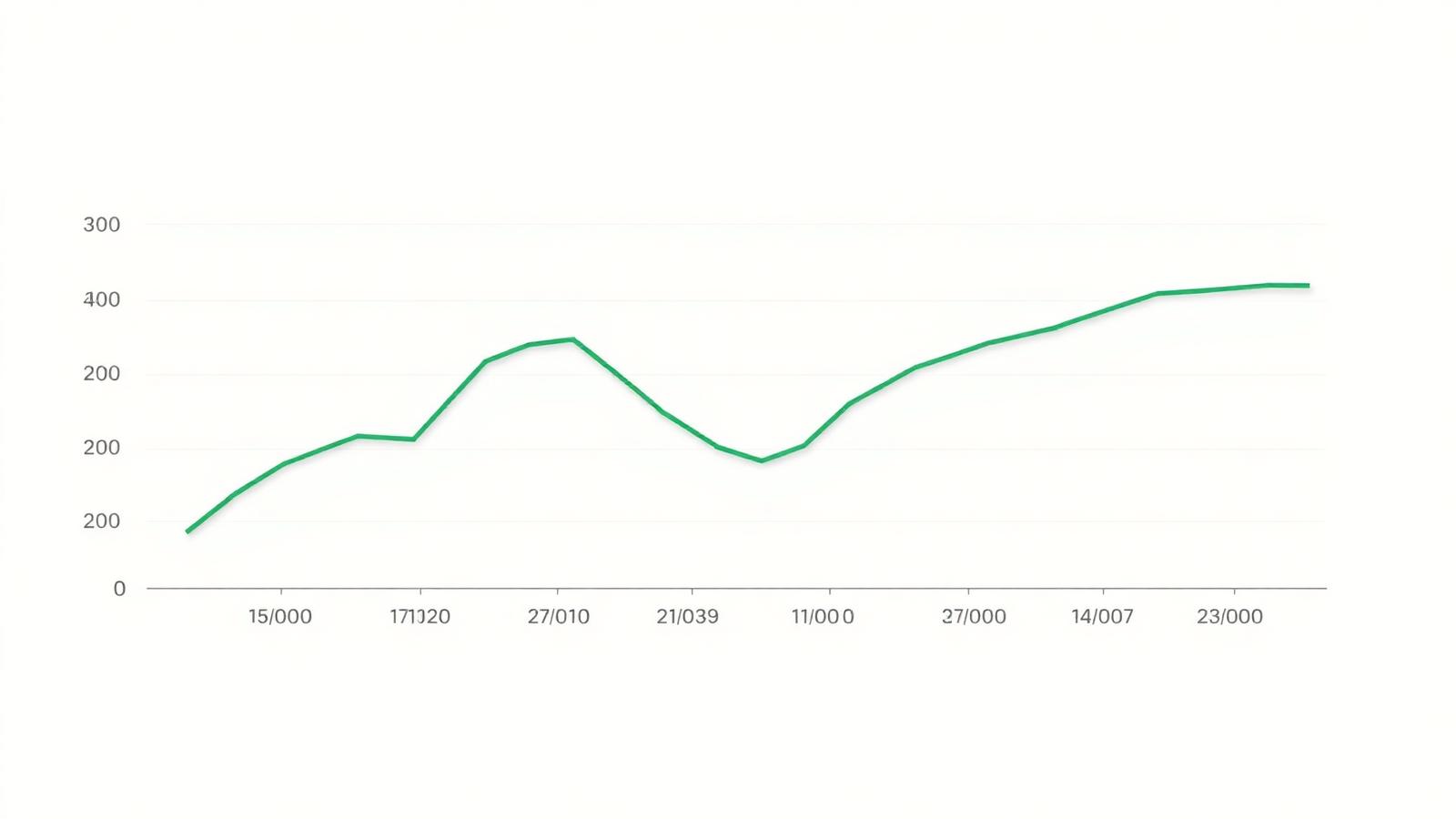
The Rate Shopping Window: The Rule That Changes Everything
This is the part that matters most and is understood least.
Scoring models recognise that shopping for a single mortgage, auto loan or student loan produces multiple inquiries for one borrowing decision. So they bundle them.
- Newer FICO models use a 45-day window; older ones use 14 days.
- VantageScore 4.0 uses a 14-day window.
- All inquiries of the same loan type inside the window count as one inquiry.
- There is also a 30-day buffer in FICO models during which recent mortgage, auto and student loan inquiries are ignored entirely.
Because different lenders use different model versions, the safe planning rule is simple: do all your rate shopping for a given loan type inside 14 days.
The Exception: Credit Cards
Credit card applications are not bundled. Three card applications in one week are three inquiries, full stop. Space card applications out — a common guideline is one every three to six months while rebuilding. If you are choosing a rebuilding card, our secured card comparison will save you from applying scattershot.

How to Manage Inquiries Sensibly
1. Use pre-qualification first
Most major lenders offer pre-qualification or pre-approval based on a soft pull. It is not a guarantee, but it filters out the lenders who were never going to approve you. Only submit full applications where the soft-pull terms look competitive.
2. Cluster your shopping
Pick a two-week stretch, gather every quote for that loan type, and then stop. Do not spread an auto loan search across three months; that turns one bundled inquiry into three separate ones.
3. Fix the big factors before you apply, not after
An inquiry costs a few points. High utilization can cost fifty. Before a mortgage or auto application, pay balances down and let the statements report — the mechanics are in our credit utilization guide. That single move outweighs every inquiry you will generate.
4. Read your inquiry section quarterly
Pull all three reports free at AnnualCreditReport.com and read the inquiries section carefully. You are looking for pulls you do not recognise.
5. Deal with unauthorised inquiries immediately
An inquiry you did not authorise is a fraud signal, not a scoring problem. Dispute it with the bureau, and if there is any pattern of unfamiliar activity, freeze your credit — it is free and takes about twenty minutes across the three bureaus. Our credit freeze walkthrough has the direct links.

Real-World Impact
Take a borrower with a 690 score shopping for a $28,000 auto loan. They get quotes from five lenders over nine days. All five inquiries collapse into one for scoring purposes; the score drops perhaps four points, briefly. The spread between the best and worst quote is 2.4 percentage points, worth roughly $1,900 over the term.
Now take the same borrower who applies to a single lender because they were afraid of inquiries. They save four points and lose $1,900.
That trade is the whole article in one paragraph.
Expert Perspective
Lenders themselves are relaxed about inquiries. Underwriters look at inquiries mainly to spot undisclosed new debt — a mortgage applicant with three recent auto inquiries invites a question about whether a car payment is about to appear. The concern is undisclosed obligations, not the pull itself.
The Consumer Financial Protection Bureau's explanation of credit inquiries makes the same point in plain language: inquiries matter, but far less than payment history and amounts owed.
Key Takeaways
- One hard inquiry usually costs fewer than five points and is scored for only twelve months.
- Mortgage, auto and student loan shopping inside 14 days counts as a single inquiry.
- Credit card applications are never bundled — space them out.
- Soft inquiries, including checking your own credit, are always free of score impact.
- Fix utilization before you apply; it matters an order of magnitude more.
Conclusion and Outlook
As trended-data models like FICO 10T take a larger role in lending — a shift we cover in the mortgage scoring rules guide — the weight on behaviour over time will grow and the weight on single events like inquiries will shrink further.
Which means the sensible strategy is already clear: shop hard, shop fast, and spend your attention on the factors that actually move the number.
Want the full pre-application checklist? The Honest Credit Rebuild Blueprint includes the 60-day plan to run before any major loan application — currently 40% off.